
for security reasons, inactive accounts are logged out automatically.
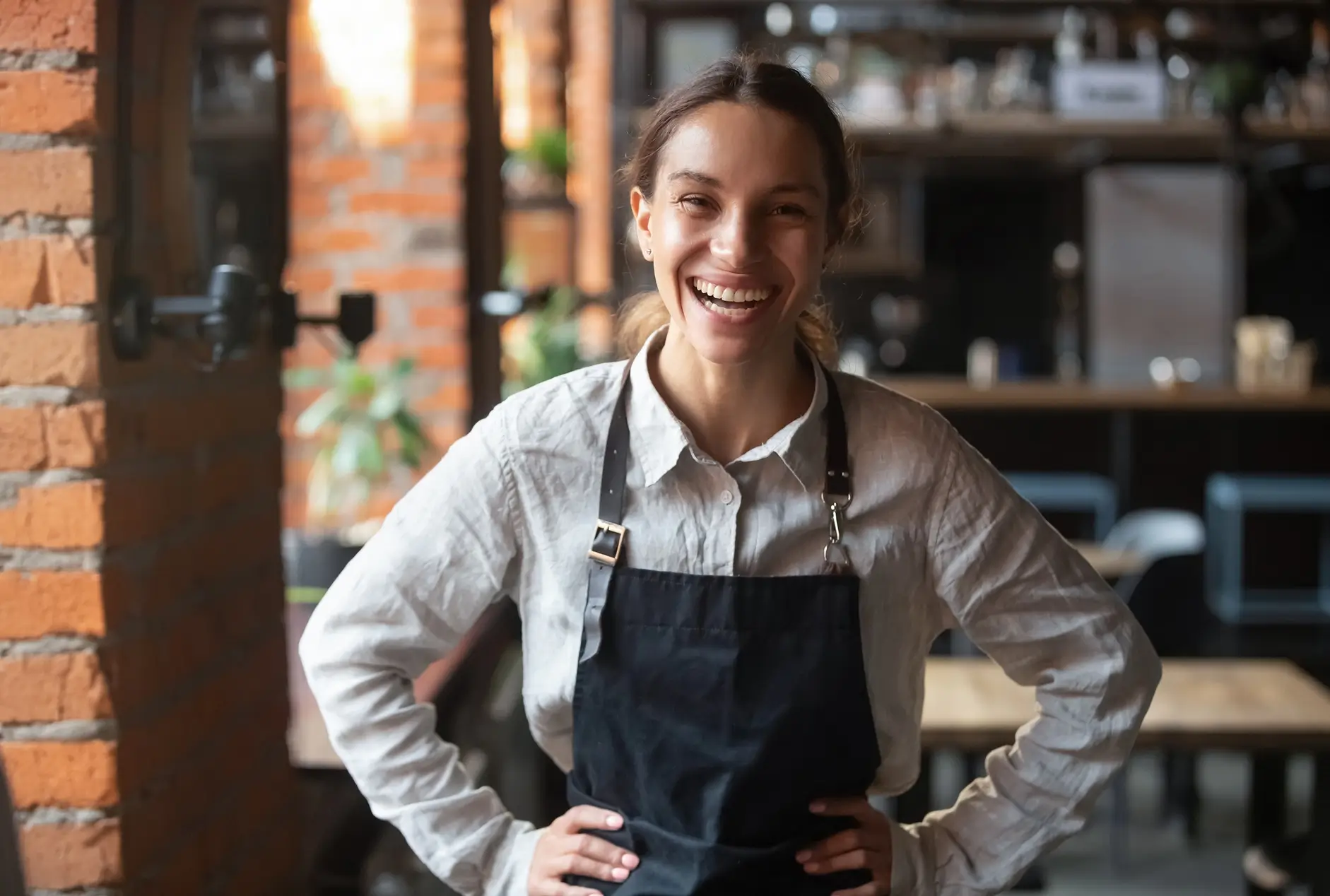
Safety is the backbone of any successful bar. When you step into a management role, it’s easy to get wrapped up in the fun parts—curating the vibe, building your menu, designing that perfect cocktail list. But none of that matters if your safety practices aren’t solid.
A safe bar relies on responsible alcohol service, clear procedures, and a team that knows how to protect guests and the business. The good news? You don’t need complicated systems or huge investments to build that foundation. You just need practical structure, consistent training, and the right certifications in place.
This guide walks you through the essentials of bar safety—from responsible service to physical security to digital hygiene—so you can run a bar that’s not only enjoyable, but safe and compliant.
If your bar also serves food, most states require a certified food protection manager on staff. Our food manager certification pairs with your alcohol certification to cover both requirements.
Creating a Safe Drinking Environment
Your team’s training is the heart of a safe bar. When your staff knows how to spot intoxication, refuse service respectfully, and stay composed under pressure, everything runs smoothly. They’re able to remove drinks when necessary, call safe rides for guests, and keep your environment under control.
You’ll also want to make sure your staff has proper alcohol certification. Always Food Safe offers a fully online, video-based Alcohol Certification that gives your staff the skills to serve responsibly while helping you meet state or local requirements. Programs like these help your team identify issues early, prevent liability, and keep guests protected.
Designated driver programs are an easy win as well. Some research suggests that designated-driver promotion may increase usage among patrons. Try simple incentives:
Finally, make sure you have a clear plan for handling intoxicated guests. Your team should know how to work together, stay calm, and communicate respectfully.
Securing Your Bar Premises
Your physical layout and security strategy directly impact customer safety. Well-placed bouncers and security staff help maintain order and provide immediate support when issues arise. Met Police statistics logged 9,598 bar-related crimes in 2016, with 1,706 classified as serious wounding cases.
ID verification plays an equally crucial role. Using tools like ID scanners—which detect fraudulent IDs with over 99% accuracy—adds strong protection. Staff should check IDs for anyone appearing under 30 to stay compliant.
Your surveillance system matters too. Cameras near entrances, exits, registers, and parking areas reduce crime when paired with proper lighting. Avoid placing cameras in private areas like restrooms.
Fire safety is another must. Your kitchen needs automatic suppression and Class K extinguishers for grease fires. With nearly 8,000 restaurant fires yearly, well-marked exits and panic bars are essential. Keep a first-aid kit designed for food service on site.
Maintaining Hygiene and Digital Safety
A structured cleaning schedule ensures your space stays safe and sanitary. This includes sanitizing surfaces, cleaning taps, replacing ice, bussing after each customer, and mopping at close.
Digital hygiene is just as important. About 85% of customers avoid businesses with poor cleanliness reviews online, so your digital presence matters. Use strong passwords (12–16 characters with symbol variety), multi-factor authentication, encryption for customer data, and role-based access limits on your POS system.
Always Food Safe’s alcohol certification also includes beverage hygiene guidance, helping reinforce clean and compliant bar operations.
Conclusion
Running a bar means balancing hospitality and safety. Strong staff training, physical safeguards, routine cleaning, and digital protections create an environment where customers enjoy themselves and trust your establishment.
By using certifications like Always Food Safe’s Alcohol Certification and applying these foundational safety practices, you set your bar up for long-term success and guest loyalty.
 English
 Spanish